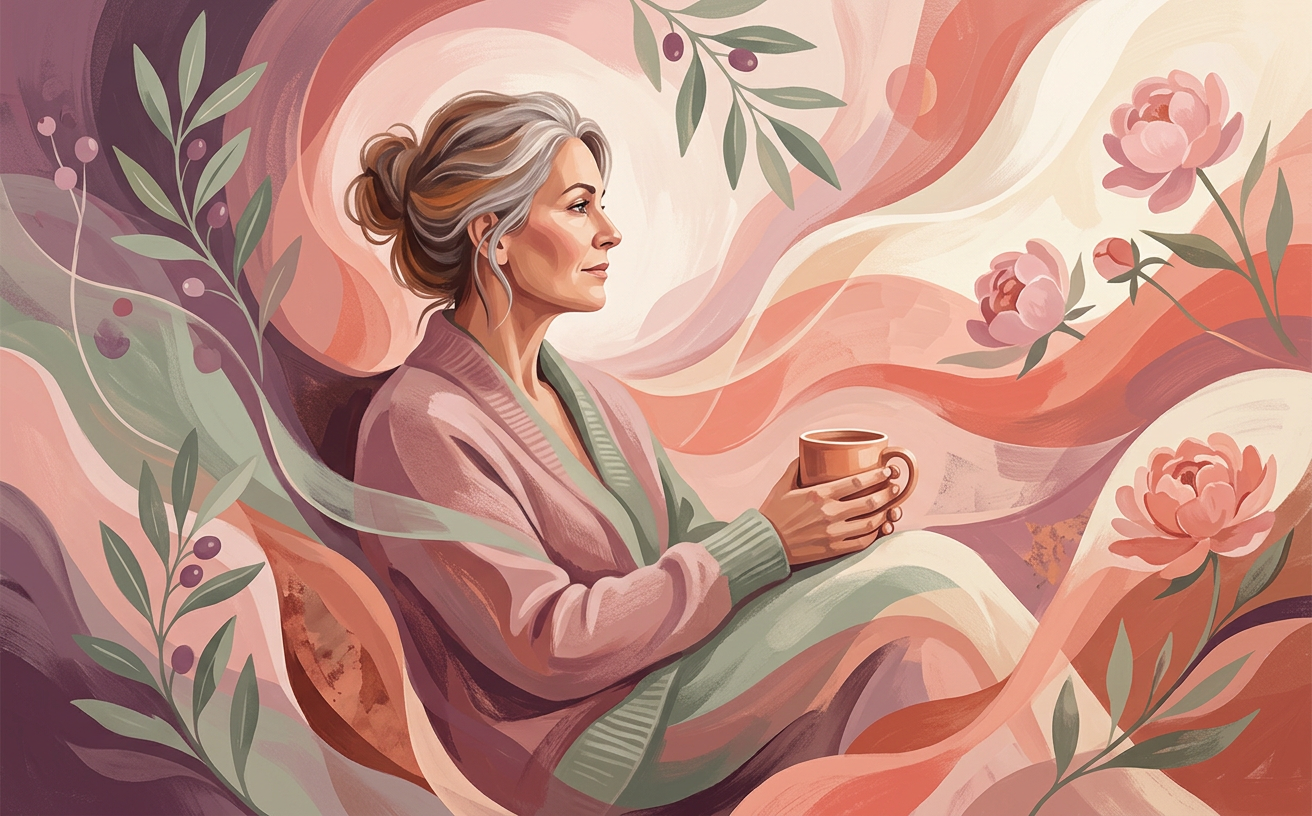
The term “self-care” has become a cultural shorthand for everything from a fancy coffee to a weekend away. On social media, you’ll see it hashtagged on images of bubble baths, glasses of wine, new pajamas, and elaborate skin-care routines. And while there’s nothing wrong with any of these creature comforts, this popular view of self-care can sometimes feel a little… flimsy. Especially when you’re navigating the complex physical and emotional landscape of perimenopause and menopause.
During this transition, your body is rewriting its own rules. Hormones are fluctuating, sleep may be elusive, and your mood can feel like a rollercoaster. The old ways of coping might not work anymore. A hot bath is lovely, but it probably won’t touch the deep fatigue that can settle into your bones. A glass of wine might feel relaxing in the moment, but it could also trigger a hot flash or disrupt your sleep later.
This is a time that calls for a more robust, more personal, and more honest form of self-care. It’s a practice that goes beyond momentary treats and instead focuses on building a foundation of resilience and well-being. It’s less about escaping your life and more about showing up for it—and for yourself—with compassion and intention.
Moving Beyond the Hashtag
So, what does real self-care look like during the menopause transition? It’s about tuning in to what your body and mind truly need, not just what sounds nice. It’s about making conscious choices that support your health in the long term, even when they aren’t the easiest or most glamorous options.
Think of it as “self-tending” rather than “self-treating.” A treat is often a short-term pleasure, while tending is about consistent, patient nurturing. Tending to a garden isn’t a one-time event; it’s a process of watering, weeding, and providing the right conditions for growth. The same is true for tending to yourself.
This form of self-care is deeply personal. What works for one person may not work for another. For some, it might mean prioritizing sleep above all else. For others, it could be about finding a new way to move their body that feels joyful and sustainable. For many, it will involve setting boundaries and learning to say “no” more often. Ultimately, it’s about listening to the quiet, internal whispers that tell you what you need, and then honoring that wisdom.
The Foundation: Your Four Pillars of Well-Being
Instead of a scattered list of “shoulds,” it can be helpful to think about self-care in terms of core pillars that support your overall health. When these pillars are strong, you’re better equipped to handle the challenges of menopause. When one is shaky, the others are affected. Let’s explore what these pillars are and how you can tend to them.
1. The Pillar of Rest
Sleep is often the first casualty of menopause, thanks to hot flashes, anxiety, and other hormonal shifts. But it’s also the most critical pillar of your well-being. Without adequate rest, it’s nearly impossible to manage stress, regulate your mood, or make healthy food choices. Tending to your rest isn’t a luxury; it’s a necessity.
What this looks like:
- Creating a sleep sanctuary: Make your bedroom a haven for rest. Keep it cool, dark, and quiet. This might mean investing in blackout curtains, a white noise machine, or lighter bedding.
- Honoring a wind-down routine: An hour before bed, signal to your body that it’s time to rest. Power down screens, as the blue light can interfere with melatonin production. Try gentle stretching, reading a physical book, or listening to calming music.
- Rethinking caffeine and alcohol: Both can significantly disrupt sleep patterns. Consider making your last cup of coffee an early-afternoon affair and notice how alcohol affects your sleep quality. You might find that less is more.
2. The Pillar of Movement
When you’re feeling tired and achy, exercise can be the last thing on your mind. But movement is a powerful tool for managing menopause symptoms. It can improve mood, boost energy, protect bone density, and promote better sleep. The key is to find a form of movement that you genuinely enjoy.
What this looks like:
- Focusing on consistency, not intensity: You don’t need to run a marathon. A brisk 30-minute walk each day can work wonders. The goal is to make movement a regular, non-negotiable part of your life.
- Incorporating strength training: As estrogen declines, so does bone density. Resistance training—using weights, bands, or your own body weight—is essential for keeping your bones strong.
- Listening to your body: On days when you feel exhausted, a restorative yoga class or a gentle swim might be more beneficial than a high-intensity workout. True self-care is about adapting to your body’s daily needs.
3. The Pillar of Nourishment
What and how you eat has a profound impact on your energy levels, mood, and physical symptoms during menopause. This isn’t about restrictive dieting; it’s about nourishing your body with whole, nutrient-dense foods that help you feel your best.
What this looks like:
- Prioritizing protein: Protein is crucial for maintaining muscle mass, which naturally declines with age. Including a source of protein in every meal can also help you feel fuller for longer and stabilize blood sugar.
- Embracing healthy fats: Fats are not the enemy! Healthy fats, like those found in avocados, nuts, seeds, and olive oil, are essential for hormone production and brain health.
- Hydrating strategically: Dehydration can exacerbate fatigue and brain fog. Keep a water bottle with you throughout the day and sip consistently. If you experience hot flashes, you may need more water than you think.
4. The Pillar of Emotional Connection
Menopause can feel isolating. Your body is changing in ways that can be confusing and distressing, and it’s easy to feel like no one understands what you’re going through. Nurturing your connections—to others and to yourself—is a vital form of self-care.
What this looks like:
- Seeking out community: Talk to friends who are in a similar life stage. Hearing their experiences can be incredibly validating. There are also many online communities and support groups for women in menopause.
- Setting healthy boundaries: This is a time when your energy reserves may be lower. It’s okay—and necessary—to say “no” to requests that drain you. Protecting your time and energy is not selfish; it’s self-preservation.
- Practicing self-compassion: Talk to yourself with the same kindness and understanding you would offer a dear friend. On days when you feel irritable or exhausted, acknowledge that it’s hard and that you’re doing the best you can.
Putting It All Together: A Practice, Not a Performance
Building a self-care practice around these pillars isn’t about achieving perfection. It’s not another thing to add to your to-do list to feel guilty about. It’s a gentle, ongoing process of checking in with yourself and asking, “What do I need right now?”
Some days, you might have the energy for a long walk and preparing a beautiful, nourishing meal. On other days, self-care might look like canceling a social plan to take a nap, or ordering a healthy takeout meal instead of cooking from scratch. Both are valid. Both are acts of self-tending.
The goal is to move away from the idea of self-care as a performance for an external audience and toward a quiet, internal conversation. It’s about building a life that feels supportive and sustainable from the inside out.
What to Take Away
The popular image of self-care often falls short during the menopause transition. This stage of life calls for a more profound and personal approach—one based on consistent self-tending, not occasional treats. By focusing on the four pillars of rest, movement, nourishment, and emotional connection, you can build a strong foundation of well-being that will support you through menopause and beyond. It’s a practice of listening to your body’s wisdom and honoring its needs with compassion and patience. This is the real work, and the real reward, of self-care.
This article is for general education and is not medical advice. Always talk with your clinician about what's right for you.