Honest writing on midlife.
Curated articles on perimenopause, menopause, hormones, sleep, mood, and everything in between.
Why Your Bladder Is More Sensitive Now: Midlife Foods, Drinks, and Urgency
Discover why changing hormones make midlife bladders more sensitive to common foods and drinks, and learn gentle ways to calm urinary urgency and irritation.
Blood Sugar and Menopause: How Changing Hormones Reshape Your Metabolism
Why midlife estrogen shifts change how your body handles insulin, why belly fat redistributes, and practical, gentle ways to steady your blood sugar.
Polyglutamic Acid for Vaginal Dryness: What to Know About This New Hydration Ally
Polyglutamic acid (PGA) is entering the intimate care space. Learn how this powerful hydrating peptide works, whether it is safe for menopausal vaginal dryness, and how to choose the right formula.

Why Do I Wake Up at 3 a.m.? Perimenopause, Menopause and Your Sleep
Waking at 3 a.m. in perimenopause or menopause? Learn why hormones disrupt sleep, what helps you get back to sleep, and when to talk with your clinician.

Why Am I Gaining Weight in Peri/Menopause When I’m Eating the Same?
Eating the same but your body is changing? Learn why weight shifts to your middle in peri/menopause, and the habits that support your body.
Vaginal Moisturizers vs Lubricants Which Is Right for You
Vaginal moisturizers and lubricants serve two entirely different purposes in midlife. Here is how they work, how to choose the right formulas, and how to build a routine that restores comfort.
Beyond Hot Flashes: Understanding the Many Faces of Menopause
Beyond hot flashes and night sweats, the menopausal transition can bring dozens of unexpected changes. Here is why hormones affect the whole body, and how to make sense of what you feel.
I Have Breast Cancer and Now I’m in Menopause. What’s Happening?
Many women are surprised to find themselves in menopause as a result of breast cancer treatment. We look at why it happens and what it means for your health.
Beyond Tired: How to Manage Perimenopause Fatigue
Fatigue during perimenopause is more than just feeling tired; it's a profound sense of exhaustion that can affect your daily life. Learn about the causes of perimenopause fatigue and discover practical strategies to help you reclaim your energy.
More Than a Feeling: The Surprising Health Benefits of Orgasm in Midlife
Orgasm is more than just a pleasurable peak—it's a potent, natural way to support your physical and mental health through perimenopause and menopause. Discover the science behind how orgasms can improve sleep, reduce stress, ease pain, and deepen your connection with yourself and your partner.
What Does “Self-Care” Even Mean in Menopause?
“Self-care” is a popular hashtag, but what does it really mean during the menopause transition? Let’s explore how to build a practice that’s less about bubble baths and more about deeply tending to your needs.
Feeling Unsteady? How Menopause Affects Your Balance
Balance changes are a surprising and disruptive symptom of the menopause transition for some women. Learn about the connections between hormones, dizziness, and fall risk — and what you can do about it.
Why Your Joints Ache and What You Can Do About It
Joint pain is a common but often overlooked symptom of the menopause transition. Learn about the connection between estrogen, inflammation, and your joints, and explore strategies to find comfort.
Your Future Self Will Thank You: How Perimenopause Is a Golden Opportunity for Healthy Aging
Perimenopause isn't just a challenging transition; it's a crucial window of opportunity to build the habits that will support your long-term health and well-being for decades to come.
You Smell Different. It Might Be Menopause.
Body odor can change during the menopause transition, thanks to hormonal shifts, new sweat patterns, and even our own heightened sense of smell. Understanding the “why” can help you navigate this surprising symptom with confidence and find what works for you.
How to Eat for Hormone Balance in Menopause
Changes in estrogen and progesterone during perimenopause and menopause can affect your health and wellbeing. Learn how certain foods and dietary patterns can support your body through this transition.
The Great Un-Telling: Why We Feel So Unprepared for Menopause
Many of us feel blindsided by perimenopause and menopause, left to navigate a confusing and profound life stage on our own. This article explores why this knowledge gap exists and how we can begin to close it, together.
Where Did My Libido Go? Navigating Desire in Midlife
Changes in sexual desire during menopause are common and complex. This article explores the biological, emotional, and relational factors at play, offering compassionate guidance for redefining intimacy and rediscovering pleasure during this new chapter.
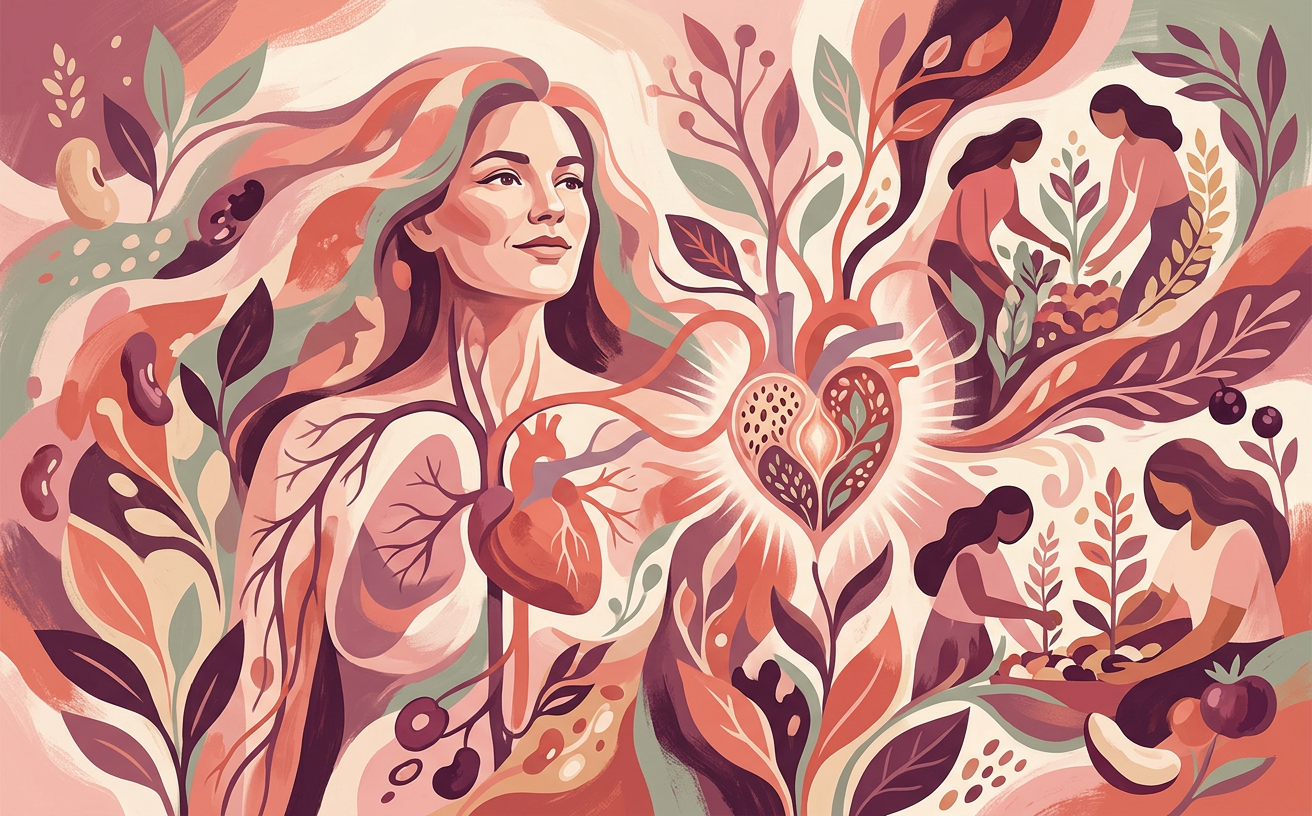
Menopause and Your Heart: A Guide to Understanding Cardiovascular Risk
As estrogen declines during menopause, a woman's risk for cardiovascular disease increases. This article explores the connection and provides actionable strategies for protecting your heart health during this transition.
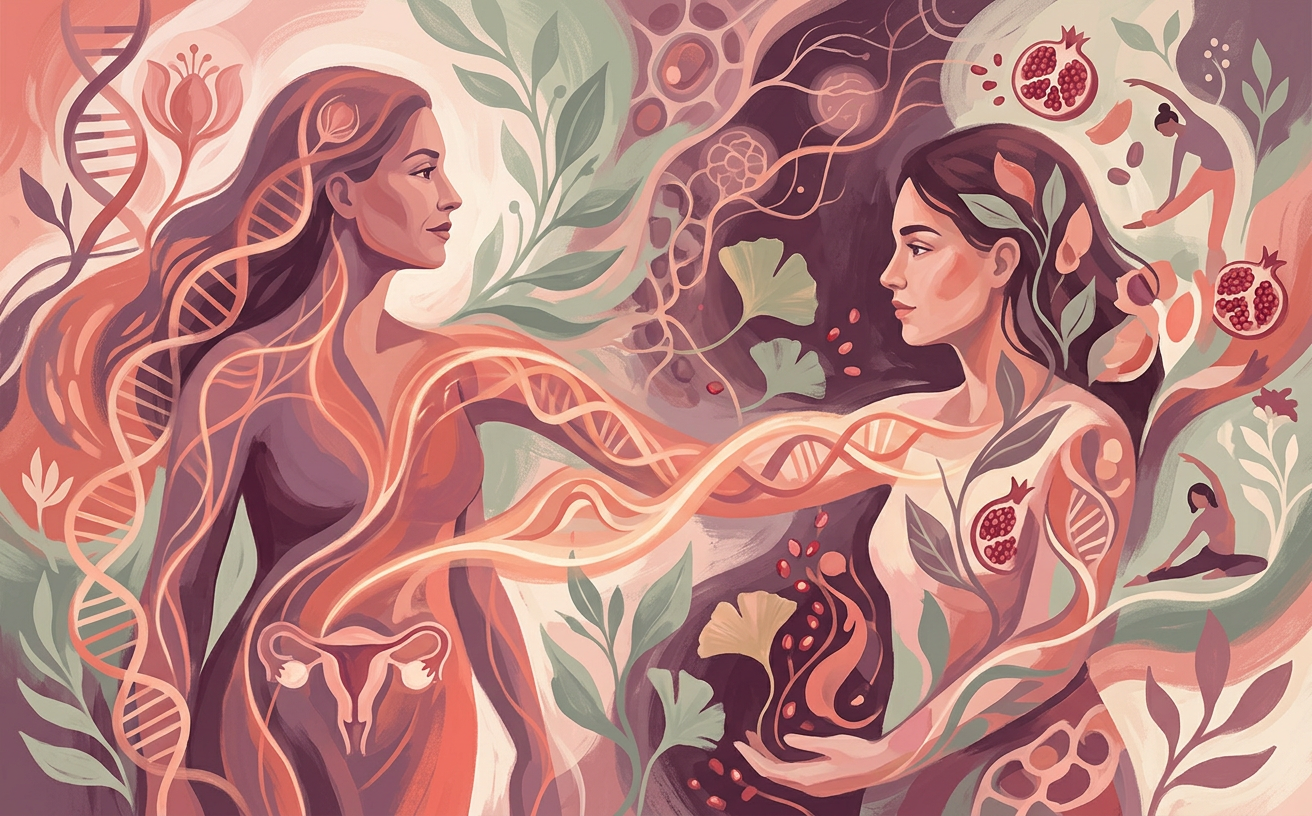
Does Your Mother’s Menopause Predict Yours? The Role of Genes and Lifestyle
While genetics play a major role in when you'll experience menopause, your mother's story isn't the only factor. Discover how lifestyle, health history, and broader family patterns create your unique menopause timeline.
Honest letters on midlife, delivered with care.
Clinically reviewed essays, quiet reflections, and the occasional myth-bust. No spam. Unsubscribe anytime.